



How to Choose the Perfect Custom Engraving
- bendjs94
- Mar 24
- 4 min read
Choosing the right custom engraving can be a daunting task, especially with so many options available. Whether you are looking to personalize a gift, commemorate a special occasion, or create a unique piece for yourself, understanding how to select the perfect engraving is essential. This guide will walk you through the key considerations to make your decision easier and more enjoyable.

Understanding Custom Engraving
Custom engraving involves etching or carving designs, text, or images onto various materials. This process can be applied to items like jewelry, glassware, metal, wood, and more. The beauty of custom engraving lies in its ability to transform ordinary objects into cherished keepsakes.
Types of Engraving Techniques
Before diving into the selection process, it's important to understand the different engraving techniques available:
Laser Engraving: This method uses a laser to etch designs onto surfaces. It offers precision and can create intricate details.
Hand Engraving: A traditional technique where artisans use tools to carve designs manually. This method often results in a unique, handcrafted look.
Rotary Engraving: Involves using a rotating tool to engrave designs. It's commonly used for metal and plastic items.
Etching: This chemical process creates designs by removing material from the surface. It's often used for glass and metal.
Each technique has its own advantages and is suited for different materials and designs.
Consider Your Purpose
When choosing custom engraving, consider the purpose of the item. Are you creating a gift for a loved one, commemorating a special event, or personalizing an item for yourself? Understanding the purpose will help guide your choices.
Gift Ideas
Weddings: Engraved wedding gifts like toasting flutes or photo frames can add a personal touch.
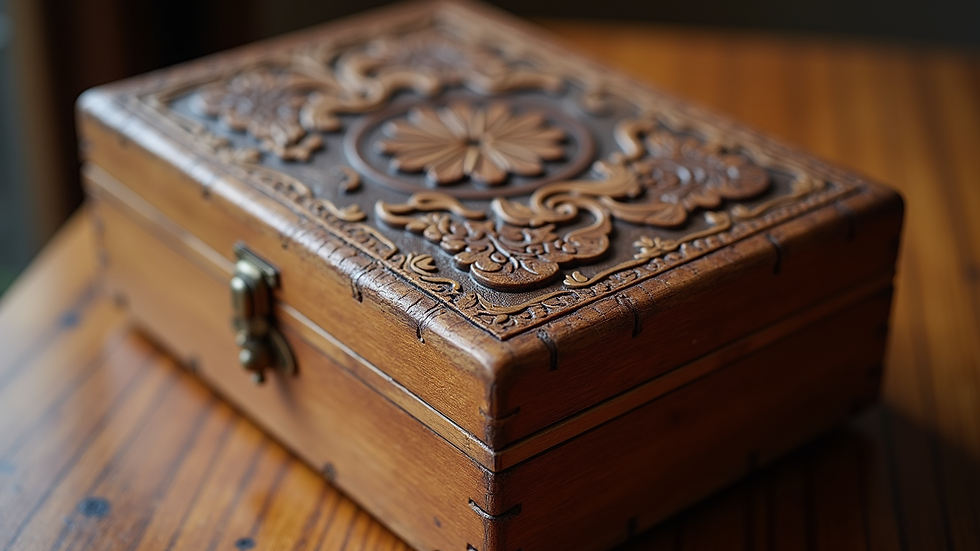
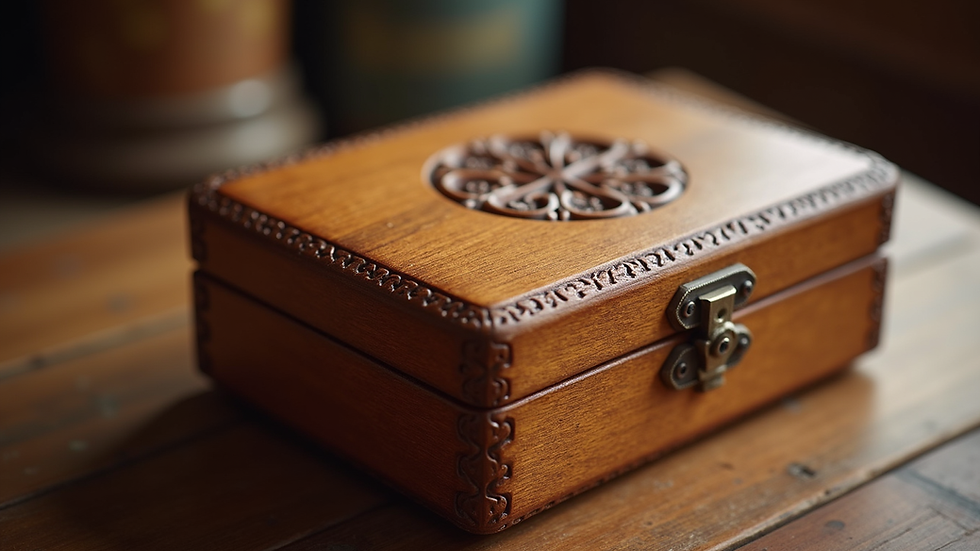
Anniversaries: Consider engraving a meaningful date or message on a piece of jewelry or a keepsake box.
Graduations: Personalized pens or plaques can serve as memorable gifts for graduates.
Personal Use
If you're engraving an item for yourself, think about what will resonate with you. A custom-engraved watch or a piece of art can serve as a daily reminder of your achievements or values.
Choosing the Right Material
The material you choose for your engraving will significantly impact the final look and feel of the item. Here are some popular materials and their characteristics:
Wood: Offers a warm, natural look. Ideal for plaques, coasters, and gifts.
Metal: Durable and elegant, metal engravings are perfect for jewelry, trophies, and tools.
Glass: Provides a sophisticated appearance. Great for awards, vases, and decorative items.
Leather: Adds a rustic touch. Commonly used for wallets, belts, and journals.
Consider the recipient's preferences and the occasion when selecting the material.
Design Considerations
The design of your engraving is crucial. It should reflect the message you want to convey and the style of the item. Here are some tips for choosing the right design:
Text vs. Images
Decide whether you want to include text, images, or both. Text can be a meaningful quote, a name, or a date. Images can be logos, symbols, or intricate designs.
Font Selection
If you're including text, choose a font that complements the item and is easy to read. Script fonts can add elegance, while bold fonts can convey strength.
Size and Placement
Consider the size of the engraving in relation to the item. A small engraving may get lost on a large surface, while a large design may overwhelm a small item. Placement is also important; think about where the engraving will be most visible and impactful.
Finding the Right Engraver
Once you have a clear idea of what you want, it's time to find a reputable engraver. Here are some tips for selecting the right professional:
Research and Reviews
Look for engravers with positive reviews and a portfolio of their work. Websites, social media, and local directories can provide valuable insights into their reputation.
Ask for Recommendations
Word-of-mouth referrals from friends or family can lead you to trustworthy engravers. Personal experiences can provide a sense of security in your choice.
Communication
A good engraver should be willing to discuss your ideas and provide suggestions. Clear communication is key to ensuring your vision is understood and executed.
Budgeting for Custom Engraving
Custom engraving can vary in price depending on the material, complexity of the design, and the engraver's expertise. Here are some factors to consider when budgeting:
Material Costs: Higher-quality materials may increase the overall cost.
Design Complexity: Intricate designs or custom artwork may require more time and skill, affecting the price.
Engraver's Experience: Established engravers may charge more for their expertise.
It's essential to set a budget before starting your search, but remember that investing in quality can lead to a more satisfying result.
Finalizing Your Order
Once you've selected your engraver and finalized your design, it's time to place your order. Here are some final steps to ensure everything goes smoothly:
Review the Design
Before the engraving begins, review the design with the engraver. Confirm that all details, including text, font, and placement, are correct.
Ask About Turnaround Time
Inquire about the estimated completion time. Custom engravings can take time, especially during busy seasons, so plan accordingly.
Confirm Payment and Policies
Understand the payment process and any policies regarding changes or cancellations. Clear agreements can prevent misunderstandings later.
Caring for Your Engraved Item
After receiving your custom-engraved item, proper care will help maintain its appearance. Here are some tips:
Wood: Keep it away from moisture and direct sunlight. Use a soft cloth for cleaning.
Metal: Regularly polish to prevent tarnishing. Avoid abrasive cleaners.
Glass: Clean with a gentle glass cleaner and a soft cloth to avoid scratches.
Leather: Use leather conditioner to keep it supple and prevent cracking.
Conclusion
Choosing the perfect custom engraving is a rewarding process that allows you to create something truly unique. By considering the purpose, material, design, and engraver, you can ensure that your engraved item will be cherished for years to come. Remember to take your time, communicate your ideas clearly, and enjoy the journey of creating a personalized piece that reflects your style and sentiment.
With these tips in mind, you are now equipped to make an informed decision and create a lasting memory through custom engraving. Whether for yourself or as a gift, the right engraving can add a special touch to any occasion.
Comments